TicketPro
TicketPro focuses on tickets, SLA, evidence, and support accountability; SupportHub adds CX platform depth, Customer 360, live chat, APIs, and tenancy.
Support desk operations, AIBot live chat, Customer 360, SaaS tenancy, and governed CX automation in one Laravel platform.
SupportHub helps teams run tickets, live chat, Customer 360, CX analytics, AIBot handoff, tenant workspaces, and support automation.
SupportHub is the customerpro-style customer platform: it keeps the ticket desk foundation but expands it into live chat, Customer 360, AIBot handoff, feedback, status, customer success, analytics, tenant workspaces, permission isolation, automation, REST, GraphQL, and developer surfaces. It is for teams that need customer context and CX operations around support, not only a ticket queue.
TicketPro is the focused ticket desk. SupportHub keeps that foundation and adds broader customer context, live chat conversion, feedback, success, status, CX analytics, SaaS tenancy, REST, GraphQL, automation, and platform operations.
TicketPro focuses on tickets, SLA, evidence, and support accountability; SupportHub adds CX platform depth, Customer 360, live chat, APIs, and tenancy.
OvionDesk is the AI support desk; SupportHub is the broader customer platform where AI is one capability among CX, analytics, tenancy, and APIs.
SupportHub combines ticket foundation, Customer 360, SaaS productization, REST/GraphQL, and automation in a Laravel product.
Choose a feature to see why it matters, what to inspect in the demo, and how it supports the buying decision.
Ticket intake, queues, replies, SLA state, assignments, approvals, case files, and reports remain the foundation.
This matters because tickets is part of the working SupportHub workflow, not just a label on a sales page. Buyers can see how it connects to ownership, records, follow-up, permissions, and reporting inside the same product.
In the demo, inspect Ticket intake, Requester portal, Support reports. Confirm the screens show real setup, records, status, and operating context instead of a static placeholder.
This is a strong buying signal when your team needs tickets handled in the same Laravel workspace as the rest of SupportHub, with less manual reconciliation after the demo.
Live conversations can become native support tickets and feed customer context.
This matters because live chat is part of the working SupportHub workflow, not just a label on a sales page. Buyers can see how it connects to ownership, records, follow-up, permissions, and reporting inside the same product.
In the demo, inspect Live chat conversion, Workspace tokens, Scoped APIs. Confirm the screens show real setup, records, status, and operating context instead of a static placeholder.
This is a strong buying signal when your team needs live chat handled in the same Laravel workspace as the rest of SupportHub, with less manual reconciliation after the demo.
Customer and organization context, health, feedback, success signals, and history sit around the support record.
This matters because customer 360 is part of the working SupportHub workflow, not just a label on a sales page. Buyers can see how it connects to ownership, records, follow-up, permissions, and reporting inside the same product.
In the demo, inspect Customer 360, Customer health, Executive analytics. Confirm the screens show real setup, records, status, and operating context instead of a static placeholder.
This is a strong buying signal when your team needs customer 360 handled in the same Laravel workspace as the rest of SupportHub, with less manual reconciliation after the demo.
AIBot-assisted conversations can hand off into human support and native ticket workflows.
This matters because aibot handoff is part of the working SupportHub workflow, not just a label on a sales page. Buyers can see how it connects to ownership, records, follow-up, permissions, and reporting inside the same product.
In the demo, inspect Tenant workspaces, REST and GraphQL, Webhooks. Confirm the screens show real setup, records, status, and operating context instead of a static placeholder.
This is a strong buying signal when your team needs aibot handoff handled in the same Laravel workspace as the rest of SupportHub, with less manual reconciliation after the demo.
Knowledge content, resolved-ticket summaries, and human-reviewed publishing support support operations.
This matters because knowledge workflows is part of the working SupportHub workflow, not just a label on a sales page. Buyers can see how it connects to ownership, records, follow-up, permissions, and reporting inside the same product.
In the demo, inspect the setup screen, the working records, the permission path, and the report or history view connected to this feature.
This is a strong buying signal when your team needs knowledge workflows handled in the same Laravel workspace as the rest of SupportHub, with less manual reconciliation after the demo.
Analytics, executive views, customer health, status, feedback, and success data help leaders see beyond ticket counts.
This matters because cx analytics is part of the working SupportHub workflow, not just a label on a sales page. Buyers can see how it connects to ownership, records, follow-up, permissions, and reporting inside the same product.
In the demo, inspect the setup screen, the working records, the permission path, and the report or history view connected to this feature.
This is a strong buying signal when your team needs cx analytics handled in the same Laravel workspace as the rest of SupportHub, with less manual reconciliation after the demo.
Workspaces, branding, domains, limits, and module entitlements support SaaS-style customer operations.
This matters because tenant workspaces is part of the working SupportHub workflow, not just a label on a sales page. Buyers can see how it connects to ownership, records, follow-up, permissions, and reporting inside the same product.
In the demo, inspect the setup screen, the working records, the permission path, and the report or history view connected to this feature.
This is a strong buying signal when your team needs tenant workspaces handled in the same Laravel workspace as the rest of SupportHub, with less manual reconciliation after the demo.
Roles, scopes, API actors, and tenant isolation keep platform data controlled.
This matters because permissions and isolation is part of the working SupportHub workflow, not just a label on a sales page. Buyers can see how it connects to ownership, records, follow-up, permissions, and reporting inside the same product.
In the demo, inspect the setup screen, the working records, the permission path, and the report or history view connected to this feature.
This is a strong buying signal when your team needs permissions and isolation handled in the same Laravel workspace as the rest of SupportHub, with less manual reconciliation after the demo.
Developer surfaces let external systems read and write customer platform data.
This matters because rest and graphql is part of the working SupportHub workflow, not just a label on a sales page. Buyers can see how it connects to ownership, records, follow-up, permissions, and reporting inside the same product.
In the demo, inspect the setup screen, the working records, the permission path, and the report or history view connected to this feature.
This is a strong buying signal when your team needs rest and graphql handled in the same Laravel workspace as the rest of SupportHub, with less manual reconciliation after the demo.
Rules, playbooks, webhooks, report schedules, and operations checks reduce manual support work.
This matters because automation is part of the working SupportHub workflow, not just a label on a sales page. Buyers can see how it connects to ownership, records, follow-up, permissions, and reporting inside the same product.
In the demo, inspect the setup screen, the working records, the permission path, and the report or history view connected to this feature.
This is a strong buying signal when your team needs automation handled in the same Laravel workspace as the rest of SupportHub, with less manual reconciliation after the demo.
A simple operating path so buyers can understand what happens after installation.
Configure tenant workspaces, branding, domains, users, roles, and permission scopes.
Set up channels, chat widgets, AIBot handoff rules, knowledge, and automation.
Triage live conversations and convert important chats into native tickets.
Review Customer 360, organization context, feedback, status, health, and success signals.
Use analytics, REST, GraphQL, API keys, OAuth actors, webhooks, and reports for productized support operations.
Use these compact checks before moving to the live demo, docs, or pricing tab.
Resolve tickets while seeing customer, organization, feedback, success, and health context.
Use workspace isolation, branding, domains, entitlements, API keys, and permissions.
Run widget chat, AIBot handoff, agent inbox, native ticket conversion, and CX reporting.
Documents the support workspace foundation and operational screens.
Open docsCovers API surfaces used by the customer platform and integrations.
Open docsExplains automation, playbooks, and process control around customer operations.
Open docsSupportHub can explain AI as a governed platform capability: AIBot handoff, copilot drafts, knowledge search, customer summaries, sentiment, priority, SLA prediction, report summaries, and executive views with human approval guardrails.
SupportHub is a Laravel customer/CX SaaS platform with tenant workspaces, branding, custom domains, usage limits, module entitlements, permissions, REST, GraphQL, API keys, OAuth actors, webhooks, automation, and reports.
Quick answers for fit, users, workflow, and the buying decision after the main proof sections.
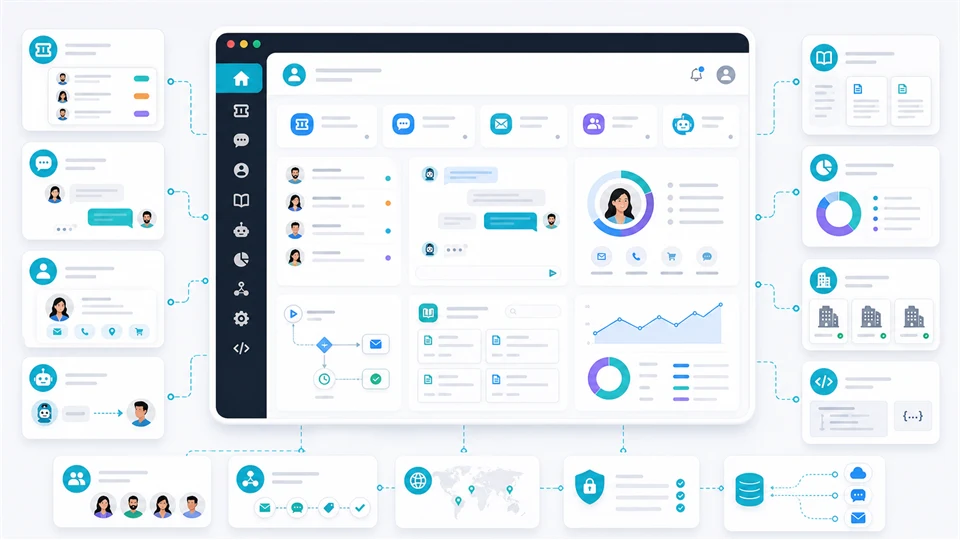
SupportHub combines ticket intake, live chat, Customer 360, AIBot handoff, support workflows, feedback, status, customer success context, CX analytics, tenant workspaces, automation, REST, GraphQL, and scoped APIs.
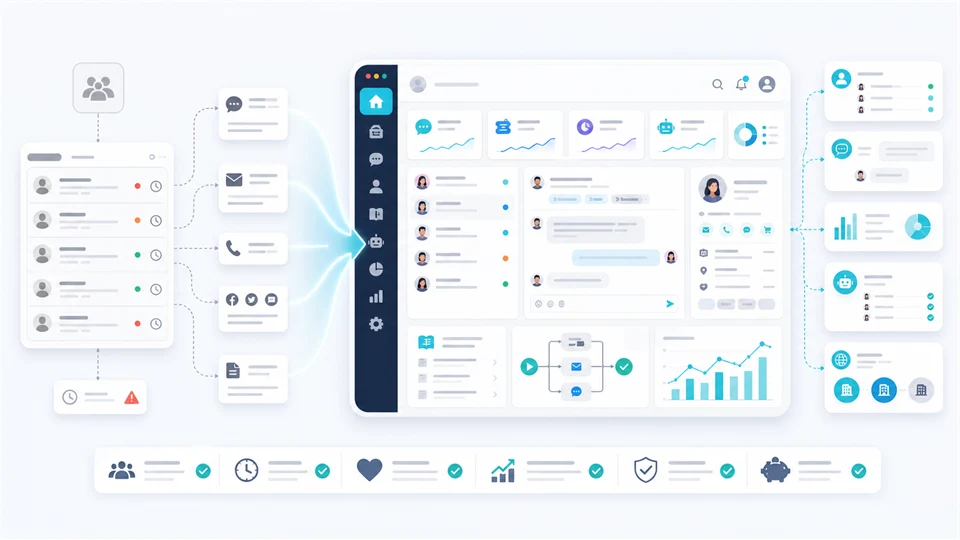
It is for teams that need a customer platform around support: tickets plus live conversations, customer context, analytics, tenant isolation, automation, and developer access.
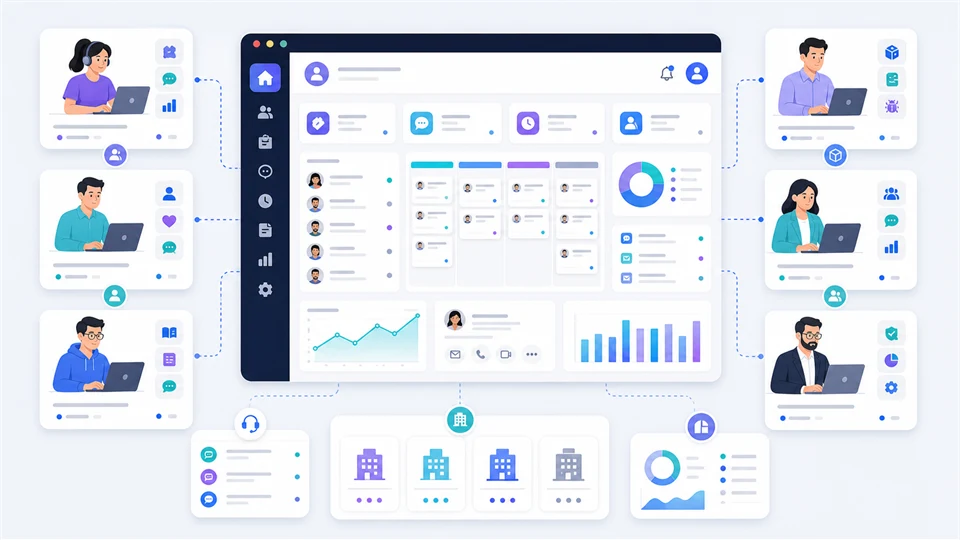
Support teams, customer success teams, SaaS companies, product teams, agencies, tenant-based platforms, and support operations leaders can use SupportHub.
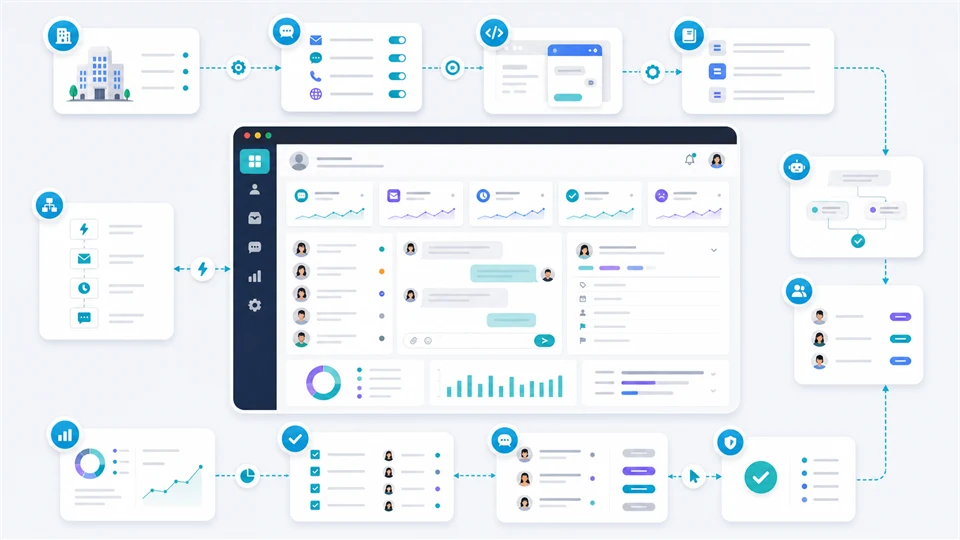
Teams configure workspaces, channels, chat widgets, knowledge, handoff rules, permissions, APIs, and automation; triage conversations; resolve tickets; review Customer 360; and monitor CX analytics.
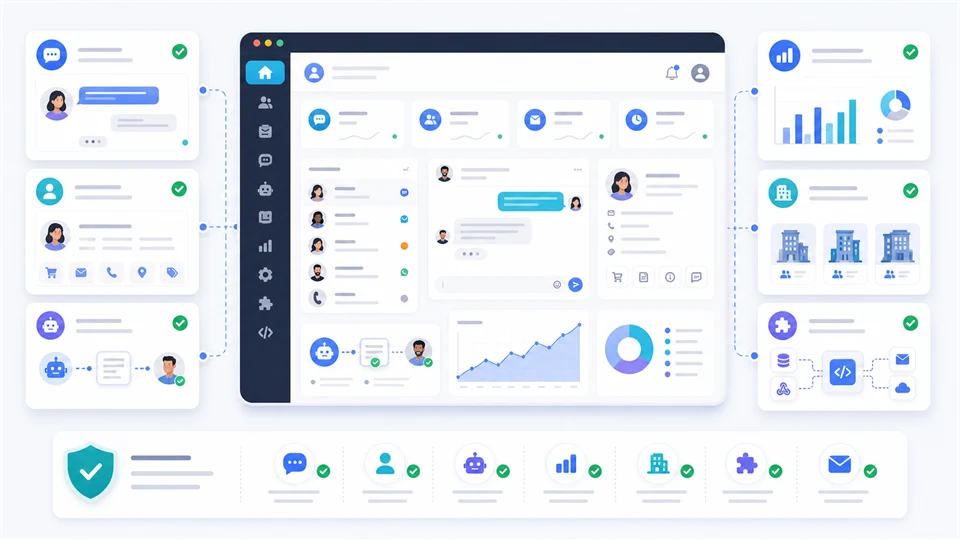
Use it when live chat, Customer 360, AIBot handoff, customer health, analytics, tenant workspaces, REST, GraphQL, and APIs matter alongside tickets.
A documentation-guided view of the real workflow, evaluation checks, launch options, and buyer evidence behind this project.
SupportHub expands the TicketPro-style support desk base into a broader CX platform with native tickets, AIBot live chat, Customer 360, feedback, status, AI governance, SaaS tenancy, analytics, REST, and GraphQL.
Open this product screen and confirm the workflow, layout, and data state match your use case.
Open this product screen and confirm the workflow, layout, and data state match your use case.
Open this product screen and confirm the workflow, layout, and data state match your use case.
Open this product screen and confirm the workflow, layout, and data state match your use case.
Before: Tickets, chats, customer history, organization context, and analytics are split across tools.
With SupportHub: Use SupportHub to receive live chat, convert chats into native tickets, view Customer 360 context, and track support health in one workspace.
Result: The team can run support as a CX operation instead of a queue-only helpdesk.
Before: Workspace membership, package limits, tenant branding, and chat access need product-grade isolation.
With SupportHub: Review tenant workspaces, package entitlement, AIBot access, role permissions, installer settings, custom domains, and scoped APIs.
Result: SupportHub can be sold and operated as a tenant-aware support platform with safer access boundaries.
Before: Support data needs APIs, webhooks, GraphQL, analytics, and governed automation instead of manual exports.
With SupportHub: Use REST/GraphQL, webhooks, scoped API keys, analytics, and AI approval controls around tickets, chats, customers, and workflows.
Result: The buyer gets integration depth without turning AI or chat access into a cross-app security risk.
The buyer has a workflow need but does not want to purchase only from a feature list.
They review the story, screenshots, demo roles, docs, changelog, support terms, and comparison rows.
The buying decision becomes a documented test drive instead of a guess.SupportHub fits teams that need the TicketPro support-desk base plus AIBot live chat, CX Inbox, Customer 360, tenant workspaces, AI governance, analytics, REST, and GraphQL in one Laravel-owned CX platform.
Use TicketPro for a focused support desk. Use SupportHub when live chat, AIBot, Customer 360, tenant workspaces, analytics, and APIs matter.
AIBot should be enabled through SupportHub package limits and should not be wired into ecommerce, CRM, TicketPro, or other apps.
Confirm chat access resolves through workspace membership, native ticket links, requester email, and organization permissions without oldest-workspace fallback.
Review REST, GraphQL, webhooks, analytics, queue, scheduler, mail, and provider requirements before checkout.
Use the docs, requirements, installer screens, AIBot package notes, tenant setup, and post-install checks.
Ask Ovion to scope hosting setup, AIBot entitlement, queue/mail checks, tenant isolation, API keys, and launch handoff.
Open a side-by-side comparison before buying if the team is unsure whether it needs classic helpdesk or full CX platform depth.
PHP 8.2+, Composer 2.x, Laravel 12 compatible hosting
6 months included
Version 1.0.0 / Updated 2026-07-05
Review the key screens, then open any preview at full size.
SupportHub expands the TicketPro-style support desk base into a broader CX platform with native tickets, AIBot live chat, Customer 360, feedback, status, AI governance, SaaS tenancy, analytics, REST, and GraphQL.
Product screen used for marketplace evaluation.
Product screen used for marketplace evaluation.
Product screen used for marketplace evaluation.
Product screen used for marketplace evaluation.
Product screen used for marketplace evaluation.
Product screen used for marketplace evaluation.
Product screen used for marketplace evaluation.
Product screen used for marketplace evaluation.
Product screen used for marketplace evaluation.
Product screen used for marketplace evaluation.
Product screen used for marketplace evaluation.
Product screen used for marketplace evaluation.
Product screen used for marketplace evaluation.
Product screen used for marketplace evaluation.
Product screen used for marketplace evaluation.
Product screen used for marketplace evaluation.
Product screen used for marketplace evaluation.
Product screen used for marketplace evaluation.
Product screen used for marketplace evaluation.
Product screen used for marketplace evaluation.
SupportHub is priced as a full CX platform because it adds live chat, Customer 360, AIBot handoff, knowledge workflows, CX analytics, tenant workspaces, permissions, REST, GraphQL, and automation around the support desk foundation.
One SaaS, product, or support team needing customer platform depth.
Covers one live SupportHub deployment with tickets, live chat, Customer 360, AIBot handoff, analytics, tenancy, APIs, and automation. USD 229 Recommended Business 2 Apps License 2 live apps / 6 staging/dev appsTwo CX workspaces, two brands, or a client handoff with separate production use.
Adds a second live CX platform deployment for multi-brand support, client delivery, or staged customer operations. USD 399 License tier Agency Unlimited License Unlimited live apps / Unlimited staging/dev appsAgencies and platform operators deploying customer/CX systems repeatedly.
Designed for repeated CX platform launches where tenant workspaces, Customer 360, live chat, APIs, analytics, and automation repeat. USD 799Review the main operating areas a buyer should understand before opening the demo or choosing a license.
SupportHub keeps the ticket queue, requesters, SLAs, case files, support teams, reports, and support operations base.
The bundled AIBot package is scoped to SupportHub and converts live chat into native SupportHub tickets.
Customer 360 joins ticket, conversation, feedback, organization, status, success, and analytics context for broader CX work.
AI capability matrix, guardrails, audit-only controls, summaries, suggestions, and Demo Hub coaching stay governed by permission.
Tenant branding, custom domains, usage limits, module entitlements, REST, GraphQL, and webhooks support productization.
Chat access is centrally scoped: platform super admin sees all, SaaS users see their workspaces, and organization users see owned chats by permission.
Open the hosted demo, use shared credentials when provided, and review the documentation for setup details.
Digital purchases are reviewed case by case when the product is not as described or cannot be accessed.
6 months of setup and product support are included with this license.
Manual code review and compatibility checks are tracked before products are promoted.
Initial SupportHub marketplace release with CX platform positioning, AIBot paid bundle, chat isolation, installer hardening, docs, screenshots, and cPanel split archives.
Iniciar sesión with a buyer account to leave a verified purchase review.